Species Database
Created by Commodore Wilkan Targaryen on Sat Mar 1st, 2025 @ 6:27pm
Common Starfleet Member Races
Andorian
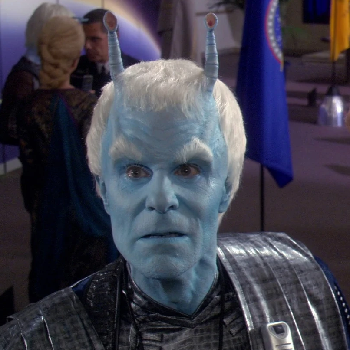 The Andorians are a founding member of the United Federation of Planets, hailing from the icy moon of Andoria which orbits a ringed gas giant. By the 25th Century, Andorians remain one of the most influential and numerous species in Starfleet, their culture of military discipline and intense passion serving as a bedrock for the Federation’s defensive and exploratory arms. While their historical "Imperial Guard" has long been integrated into the joint Starfleet command, Andorian aesthetic and tactical philosophy continue to shape the design of many front-line Federation starships.
Physically, Andorians are distinguished by their cobalt-blue skin, white hair, and a pair of cranial antennae. These antennae are sophisticated sensory organs that provide the Andorian with quadroscopic vision, allowing them to detect electrical fields, subsonic vibrations, and minute changes in air pressure. This heightened sensory input contributes to their reputation as exceptional pilots and tactical officers. Their blood is cobalt-based and blue, and their high metabolism makes them naturally stronger than Humans, though they are highly susceptible to heat and can suffer rapid dehydration in high-temperature environments.
A defining aspect of Andorian life is their cultural code of honor and the complex social structure that governs it. Unlike the Vulcans, who suppress emotion, Andorians embrace their passions, leading to a reputation for being volatile or "hot-blooded." This intensity is funneled into a rigid sense of personal and familial duty. One of the most famous expressions of this is the Ushaan, a tradition of ritualized combat used to settle disputes of honor. This duel is fought with the ushaan-tor, a specialized ice-mining tool that has become a symbolic weapon in Andorian history. While modern Federation law has mediated many of these traditions, the "Ushaan-call" remains a respected, albeit rare, legal recourse on Andoria.
The Andorian family structure is equally unique, traditionally requiring four sexes—the thaan, chan, zhen, and shen—to produce offspring. This biological complexity has historically dictated their social hierarchies and migratory patterns across the frozen wastes of their moon. In the 25th Century, Andorian cities are marvels of engineering, largely built beneath the surface of the ice to utilize geothermal energy and protect the population from the moon's lethal surface temperatures, which can drop to -28°C. This subterranean existence has fostered a society that is deeply communal and fiercely protective of its territory and kin.
Bajoran
 The Bajorans are a deeply spiritual humanoid species originating from Bajor, a world situated on the volatile frontier between Federation and Cardassian space. Although they are now members of the United Federation of Planets, their history is defined by a long-standing mastery of the stars; they achieved interstellar spaceflight at least 850 years ago, though their technological advancement was severely hindered by a prolonged and devastating military conflict with the Cardassian Union.
Faith serves as the primary cornerstone of Bajoran culture, influencing nearly every aspect of their daily lives. Their belief system centers on the Prophets, divine entities who dwell within the Celestial Temple—known scientifically as the Bajoran Wormhole—and their eternal struggle against the malevolent Pah-wraiths. This intense spiritualism fuels a natural penchant for creativity and resilience. A visible symbol of this devotion is the intricate earring worn on the right ear, which serves as a religious icon while also bearing the wearer's unique family crest.
Socially, Bajorans follow distinct naming customs that differ from many other Federation cultures. They place their family surname before their given name and traditionally do not utilize middle names. Physically, Bajorans are nearly indistinguishable from Humans, with the notable exception of a series of horizontal creases across the bridge of the nose. Despite minor internal physiological differences, they remain biologically compatible with the majority of humanoid races across the known galaxy.
Betazoid
 Located in the Alpha Quadrant, Betazed is a prominent Federation world and the ancestral home of the Betazoids, a humanoid race defined by their profound telepathic abilities. Physically, Betazoids are nearly indistinguishable from Humans, with the singular striking exception of their eyes, which typically feature irises that are entirely black. This shared appearance belies a radical difference in social norms; because their telepathy makes deception difficult, Betazoid society is built upon a foundation of total openness and honesty. This commitment to transparency is most famously reflected in their traditional wedding ceremonies, where all participants and guests are required to appear completely nude to symbolize a lack of secrets.
The hallmark of the Betazoid people is their natural telepathic capacity, which allows them to perceive the thoughts and emotions of those around them. This ability stems from a unique biological evolution, as the Betazoid brain contains a specialized additional lobe not found in other humanoid species. While most races are open to their mental touch, certain species with unusual brain structures, such as Ferengi, Cardassians, and Changelings, remain telepathically resistant.
Like any biological trait, telepathic strength varies significantly across the population. While most Betazoids possess a standard level of proficiency, a small percentage of the population exists at either extreme of the spectrum. The most gifted individuals are capable of performing complex mental tasks, such as the direct manipulation of another person's mind, while those at the lowest end of the scale may struggle to sense even the most basic emotions, even when interacting with members of their own kind.
Bolian
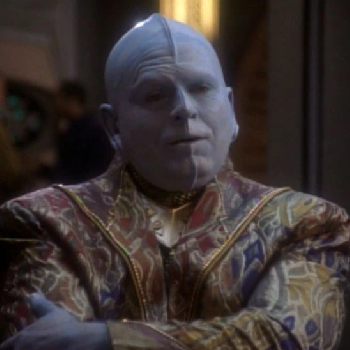 As dedicated members of the United Federation of Planets, the Bolians are an exceptionally gregarious humanoid species hailing from the world of Bolarus IX. They are easily identified by their striking blue skin, which can range across a wide spectrum of hues, and a distinctive vertical cartilaginous ridge that extends from the top of the head, down the center of the face, and continues toward the chest. While the majority of Bolians are naturally hairless, there are rare historical instances of natural hair growth, and some modern individuals have been known to utilize wigs for personal expression. Their physiology is quite robust, featuring a unique biochemistry that provides a high resistance to most environmental toxins, though their blue blood is notably corrosive to many non-Bolian tissues.
Culturally, Bolians are defined by their jovial, friendly, and highly talkative nature. They possess an innate desire for social harmony and teamwork, which often leads them toward service-oriented professions where they can interact with the public, such as gastronomy or cosmetology. Their tendency to be outspoken—at times to a fault—makes them energetic companions, yet they also thrive in the disciplined environments of Starfleet. Within the service, Bolians are highly valued for their cooperative spirit and their ability to function seamlessly within complex command structures.
This preference for communal living and openness extends into their private lives and marital traditions. Bolian relationships are frequently non-monogamous and can involve more than two partners in a single domestic unit. These expanded family structures are common across their society, with additional partners being formally recognized and referred to by the titles of co-husband or co-wife.
Caitian
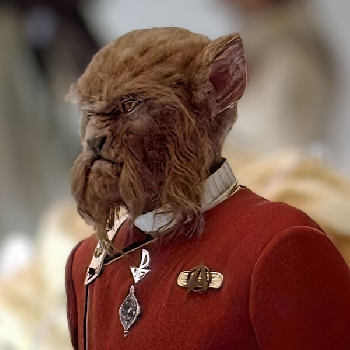 The Caitians are a distinctive felinoid race from the planet Cait in the Alpha Quadrant, recognized for their feline physiology and long-standing dedication to the United Federation of Planets. Having joined the Federation in the 22nd century, they are a familiar sight within Starfleet, where they are highly regarded for their loyalty, intelligence, and insatiable curiosity. This commitment to the community is reflected in their social structure, which is built upon a strong pack-based mentality. Unlike many other humanoid species, Caitian family groups are exceptionally large, often consisting of hundreds of individuals who maintain close-knit bonds.
Though they are now a peaceful people with a profound appreciation for beauty and the arts, the Caitians possess a formidable predatory history. They are distant relatives of the Kzinti and were once the natural enemies of the Betazoids. In their ancient past, Caitians viewed the Betazoids as a prey species and actively hunted them, a practice that only ceased once they developed synthetic food alternatives. Despite this shift toward a modern, peaceful society, Caitians still retain a biological preference for uncooked meat.
Physically, Caitians are bipedal but tend to be slightly shorter than the average human. Their bodies are covered in a soft coat of fur that varies in color and pattern, and they possess long tails that grant them superior balance. As evolved pack hunters, their physical capabilities are remarkable; they are capable of jumping roughly twice as high as a human, reaching heights of approximately 4 to 5 meters in a single bound. Their sensory organs are equally specialized, featuring large eyes that provide exceptional night vision and ears capable of detecting high-frequency sounds well beyond the 20,000 Hz limit of the typical human auditory range.
Human
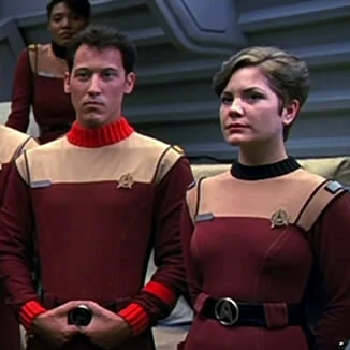 Humans are the cornerstone of the United Federation of Planets and the primary inhabitants of Earth, the organization's administrative and diplomatic heart. By the 25th Century, Humans have transitioned from a fractured, war-torn species into a post-scarcity society focused on self-improvement, scientific exploration, and the pursuit of peace. While they lack the physical strength of Klingons or the telepathic abilities of Vulcans, Humans are defined by their remarkable adaptability, curiosity, and a unique capacity to bridge the cultural gaps between disparate alien races.
Physically, Humans are bipedal humanoids with a diverse range of skin tones, hair textures, and physical builds. Their physiology is considered "baseline" for much of Federation medical science, serving as the standard against which many other species are measured. Although they possess a relatively average lifespan of roughly 120 years—extended significantly by 25th-century medical breakthroughs—Humans are known for their high endurance and ability to thrive in a wide variety of planetary environments. Their biology is exceptionally compatible with other species, leading to a significant number of hybrid individuals throughout the Federation.
A defining characteristic of the Human experience is the rejection of currency and poverty in favor of the New World Economy. Since the mid-22nd century, Humans have utilized replication technology to eliminate the need for material accumulation, allowing the species to dedicate itself to the arts, sciences, and public service. This cultural shift is most evident in Starfleet, where Humans often serve as the connective tissue that holds diverse crews together. Their "frontier spirit" and willingness to take calculated risks are frequently cited by allies as their greatest strength, though critics occasionally view their drive for expansion as a form of "soft" cultural imperialism.
In the modern era, Humans continue to lead the way in interspecies cooperation. Earth has become a melting pot of galactic cultures, hosting the Federation Council and Starfleet Academy. Despite their peaceful reputation, Humans remain formidable in defense; their history of internal conflict has left them with a tactical versatility that has proven decisive in major galactic conflicts, such as the Dominion War and the Borg incursions. Today, the Human legacy is not defined by conquest, but by the conviction that the "final frontier" is best explored with a hand outstretched in friendship.
Rigelian
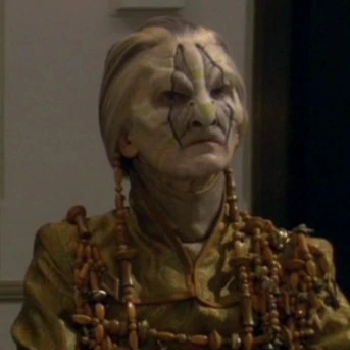 Hailing from the Beta Quadrant, the Rigelians — or Jelna, as they are known in their native tongue — are a warp-capable humanoid species residing on Rigel V. They were key participants in the initial Coalition of Planets talks and have been steadfast members of the United Federation of Planets since the late 22nd Century.
Genetically, the Rigelians share a surprising amount of commonality with Vulcans and Romulans. This biological link is so pronounced that Rigelians are often susceptible to the same physiological ailments and viral pathogens that affect their Vulcanoid cousins. Culturally, this connection is mirrored in their philosophical pursuits, as Rigelian society is largely defined by a collective spiritual journey toward enlightenment, seeking a higher state of being through discipline and introspection.
The most distinctive aspect of Rigelian biology is their four-gender system, which is divided into "endosex" and "exosex" categories. While the two endosex genders roughly correlate to the traditional male and female physiology found in most humanoid species, the two exosex genders are characterized by significantly higher levels of physical aggression and biological resilience. This heightened capability is attributed to the presence of a unique Z chromosome found within the exosex genome. This genetic advantage has created a distinct social hierarchy on Rigel V; the exosex genders are the dominant demographic, outnumbering their endosex counterparts by a ratio of 2 to 1. Consequently, the exosex individuals typically occupy the most strenuous and high-profile positions in society, while endosex individuals have historically been relegated to secondary or supportive roles.
Tellarite
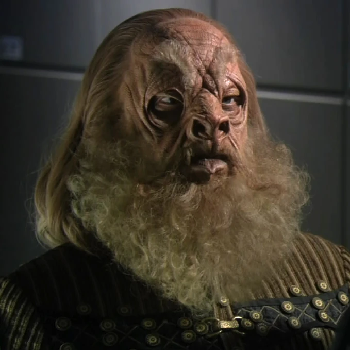 Hailing from the world of Tellar Prime, the Tellarites are a stout, porcine humanoid species distinguished by their status as one of the four original founding members of the United Federation of Planets. Known for their formidable engineering skills and stubborn pride, they have been a cornerstone of Federation technology and diplomacy since the mid-22nd century.
In Tellarite culture, verbal sparring is not merely a social friction but a refined art form and a national pastime. They view a heated argument as a sign of respect and intellectual engagement; on their homeworld, it is common practice to initiate a conversation through a series of blunt complaints or a direct insult. This abrasive, quick-tempered nature often clashes with the more reserved protocols of other species, yet it serves as the foundation for their legendary honesty and transparency. Beneath their confrontational exterior lies a deep appreciation for logic and a passionate, emotional core that fuels their creative and technical endeavors.
Physically, Tellarites are shorter than the average Human but possess a much sturdier, broader frame. Their most recognizable features are their prominent snouts and deep-set eyes, which provide them with a superior perception of distance, depth, and dimension compared to most other humanoids. Their skin is typically a coarse, pinkish-brown texture and is heavily covered in thick hair; among males, large, bushy beards are a standard cultural and physical trait.Biologically, Tellarites maintain a higher average body temperature than Humans and possess significant physical strength. While most have standard digits, some members of the species exhibit hoof-like structures on their hands and feet. Their dietary habits are also notable, as they consider canine meat to be a prized delicacy, a fact that can occasionally lead to awkward social encounters with species that keep such animals as pets.
Trill
 The Trill are an intellectually driven humanoid species native to the world of the same name and are distinguished members of the United Federation of Planets. Having mastered interstellar travel by at least the 22nd century, they have earned a galaxy-wide reputation as premier diplomats and scientists. Their society is characterized by a deep-seated appreciation for the arts and a relentless curiosity regarding the natural and physical sciences.
In terms of physical appearance, Trill closely resemble Humans but are immediately recognizable by two rows of dark, symmetrical spots. These distinctive markings typically begin at the temples and run down the sides of the head, continuing along the neck, shoulders, and torso, and extending all the way to the feet. Internally, their physiology is highly specialized; though most Trill live their entire lives as individuals, their biological makeup is uniquely adapted to support the potential for a symbiotic relationship with another lifeform.
Because of the cultural prestige associated with joining, Trill society is inherently competitive and achievement-oriented. From a young age, many Trill focus on rigorous academic and physical training to refine their skills and prove their worthiness for the selection process. This competitive drive is fueled by the widespread public belief that only a tiny fraction of the population—approximately 0.1%, or 1 in 1,000 individuals—is biologically and psychologically capable of being selected for the Joining. This creates a populace of exceptionally overachieving individuals who strive for excellence in every professional field.
Vulcan
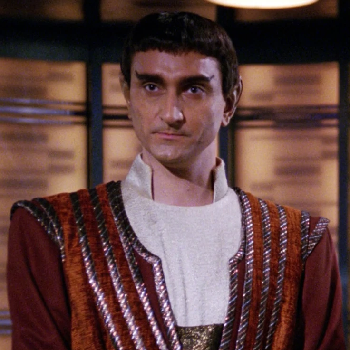 The Vulcans are a cornerstone species of the United Federation of Planets, serving as one of the four original founding members alongside Humans, Andorians, and Tellarites. Hailing from the harsh, desert world of Vulcan, they are defined by a cultural commitment to absolute logic and the suppression of emotion—a philosophy adopted centuries ago to save their civilization from self-destruction.
While their silhouettes are broadly humanoid, Vulcans possess several distinct physical markers, most notably their pointed ears and upward-sweeping, tapered eyebrows. Their skin tones range from pale, occasionally featuring a slight copper-green tint due to their copper-based blood, to deep brown and black. Most Vulcans possess straight, dark hair and rarely grow facial hair. Biologically, Vulcans are formidable. Evolution on a high-gravity planet with a thin atmosphere has granted them physical strength approximately three times that of the average Human. Their internal organs are highly efficient, and their lifespan is significantly longer than most Federation citizens, with many individuals living well beyond 200 years.
The Vulcan psyche is governed by Kolinahr, the disciplined purging of emotion. This focus on rationality makes them famously honest; while a common galactic misconception suggests Vulcans are physically incapable of lying, they will, in fact, utilize deception if they determine it is the most logical course of action to achieve a necessary goal. Despite their devotion to cold reason, Vulcans maintain deep spiritual traditions and rituals. This includes the practice of arranged marriages, where parents often telepathically "bond" their children as early as age seven. This bond ensures that when the individuals reach adulthood, they will return to Vulcan to undergo the Pon Farr, a biological mating urge that occurs every seven years.
Vulcans are a naturally touch-telepathic species. Their most notable ability is the Mind Meld, a technique that allows two individuals to share thoughts, experiences, and memories at a profound level. This practice is considered deeply personal and is generally reserved for significant scientific, legal, or emotional circumstances. They also possess the "Vulcan Nerve Pinch," a non-lethal defensive maneuver that targets the base of the neck to induce immediate unconsciousness.
Uncommon Starfleet Member Races
Aenar
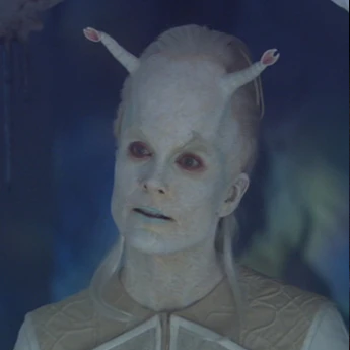 The Aenar are a rare and reclusive subspecies of the Andorians, native to the remote subterranean enclaves of the Northern Wastes on the frozen moon of Andoria. While their blue-skinned cousins are defined by a militaristic and honor-bound culture, the Aenar are staunch pacifists who strictly avoid conflict. For centuries, they remained a myth to many on their own world, but the openness of the United Federation of Planets has encouraged them to integrate into galactic society, with some even choosing to serve in Starfleet.
Physically, the Aenar share the basic humanoid structure of Andorians but are easily distinguished by their stark, pale white skin and a lack of pigmentation in their hair. They are born with congenital blindness, lacking optic nerves entirely. To compensate, their antennae have evolved to be far more sensitive than those of standard Andorians, providing them with a sophisticated spatial awareness that functions as a highly effective form of non-visual perception. Additionally, their antennae and foreheads are noticeably smoother in texture compared to the more ridged features of their cousins.
The most profound biological distinction of the Aenar is their powerful, finely tuned telepathic ability. Developed over generations in the isolation of the Northern Wastes, this telepathy allows them to communicate mind-to-mind with ease and even project vivid mental images to others. Their telepathic range and precision are among the highest recorded in the Federation, often allowing them to interface with technology or other sentient beings across significant distances. Despite this incredible mental power, they remain committed to their peaceful philosophy, using their gifts for communication and understanding rather than coercion.
Like the more common blue-skinned Andorians, the Aenar possess a quaternary reproductive system consisting of four distinct genders: the thaan, chen, shen, and zhian. This biological requirement necessitates a specialized bond between one member of each gender to ensure successful conception. In Aenar society, these "four-group" marriages are often reinforced by their telepathic links, creating a profound mental and emotional unity that spans the entire family unit.
Benzite
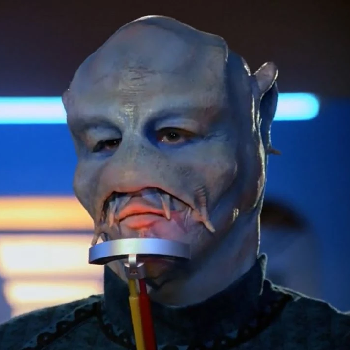 The Benzites are a highly efficient humanoid species originating from the planet Benzar. For much of their history, they remained relatively isolated from galactic politics until the mid-24th century, a turning point marked by the first Benzite's entry into Starfleet Academy. This milestone catalyzed a period of rapid integration, eventually leading to their full membership within the United Federation of Planets.
Culturally, Benzites are characterized by an intense drive for perfection and an eagerness to provide exceptional service. This often manifests as extreme overconfidence in their own procedures and a tendency to find standard Federation protocols somewhat disorganized or inefficient. A unique aspect of their social structure is based on "geostructures"; individuals from the same geostructure are physically identical to one another, a trait that can sometimes lead to confusion among species that rely on facial recognition to distinguish individuals.
Physically, Benzites possess several striking features, including hairless blue skin and a series of delicate facial tendrils located around the mouth and nose. Their hands are uniquely evolved with two thumbs on each hand, granting them exceptional manual dexterity. For protection, their bodies are encased in a smooth, chitinous covering that acts as a natural armor against physical injury. Internally, they possess a fascinating biochemistry; their blood is composed of mercury and platinum, and they maintain a body temperature slightly lower than that of the average Human.
Because the atmosphere of Benzar is radically different from the nitrogen-oxygen environments favored by most Federation worlds, Benzites traditionally require a specialized respiratory apparatus worn over the chest and mouth to survive in standard environments. However, the species is remarkably adaptable; through rigorous exposure therapy and medical conditioning, many modern Benzites have successfully trained their respiratory systems to function without the aid of these devices.
Cardassian
 The Cardassians are a proud and formidable humanoid species from the planet Cardassia Prime, serving as the sovereign authority of the Cardassian Union. Their history is one of tragic transformation; in ancient times, the "Hebitian" era of Cardassia was characterized by exquisite art and breathtaking beauty. However, as the planet’s natural resources were depleted, the civilization spiraled into a desperate, xenophobic military dictatorship to ensure its survival. Following their devastating defeat in the Dominion War, the Union attempted a transition toward a demilitarized democracy with Federation assistance. This era of reform was short-lived, as the reactionary group known as the True Way seized control in 2430, reinstating the authoritarian and imperialistic structures of the "Old Ways."
Physically, Cardassians are easily distinguished by their gray-toned skin and highly unique skeletal protrusions. Their most prominent feature is a vertical, spoon-shaped bone structure centered on the forehead, complemented by thick, ladder-like ridges that run along the sides of their unusually wide necks. Evolutionarily adapted to a hot, arid climate, Cardassians find standard Federation environmental settings uncomfortably cold and dim. They possess a high tolerance for heat and are known for their exceptional mental discipline, particularly in the areas of photographic memory and resistance to interrogation.
Cardassian society is built upon a rigid, uncompromising hierarchy where the state and the family are the two highest virtues. To a Cardassian, loyalty to one's parents is inseparable from loyalty to the government. This philosophy is instilled from childhood; the educational system is notoriously grueling, prioritizing military tactics, intensive memorization techniques, and the belief that the state is always right. Every citizen is viewed as a gear in the greater machine of the Union, and while some modern dissidents seek a return to their ancient artistic roots, the prevailing culture remains one of strict order, discipline, and devotion to the "Greater Cardassia."
Deltan
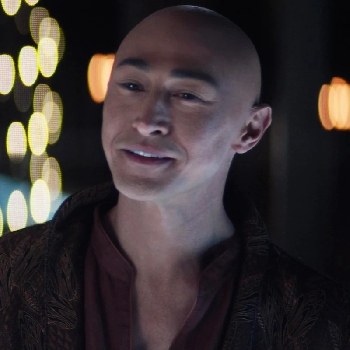 The Deltans are a highly advanced and enigmatic humanoid species originating from Delta IV. Although they have been dedicated members of the United Federation of Planets since the early 23rd century, they remain a rare sight in deep space, as the vast majority of the population prefers the tranquil, high-culture environment of their homeworld.
Physically, Deltans are nearly indistinguishable from Humans, characterized by their lean, graceful builds and entirely hairless scalps. They are widely regarded as one of the most aesthetically striking species in the known galaxy. Biologically, they are believed to be a sister species to the Betazoids, possessing natural empathic and telepathic abilities that allow them to communicate through a seamless exchange of thoughts and emotions. A defining biological feature of the Deltan people is the production of incredibly potent pheromones. These chemical signals act as a powerful natural aphrodisiac, directly stimulating the pleasure centers of the humanoid brain and often causing members of other species to become instantly infatuated or overwhelmed by their presence.
Because of the profound effect they have on others, any Deltan serving in Starfleet or living among non-Deltans is required to take a formal Oath of Celibacy. This commitment is vital for the safety of their peers, as a sexual encounter with a Deltan is not merely physical; it is a total, unfiltered union of body and mind. For a non-telepathic species, the intensity of this mental and physical merger is often catastrophic. Without the specialized neural architecture of a Deltan, the experience can shatter a partner's psyche, frequently resulting in permanent madness or even death. To assist in maintaining their oath and ensuring the comfort of those around them, Deltans traveling off-world typically receive chemical injections designed to suppress their natural pheromone production.
Denobulan
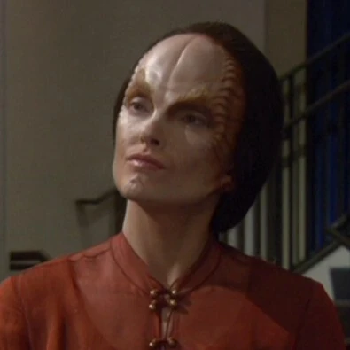 Hailing from the planet Denobula in the Denobula Triaxa system, the Denobulans are a vibrant and intellectually vigorous species. They were among the earliest allies of Earth and played a crucial role in the development of the United Federation of Planets, having been active participants in interstellar affairs since at least the 21st century.
Physically, Denobulans are a bipedal humanoid species whose skeletal structure bears a superficial resemblance to the Cardassians. Their most striking features include two sets of prominent ridges that run down the sides of the forehead and encircle the eye sockets, ending in a distinguished brow. A subtle crease typically extends from the center of the brow up into the hairline. Most notable, however, is their incredible facial flexibility; Denobulans possess a unique musculature that allows them to enlarge their smiles and change their facial expressions to an extent far beyond other humanoids, often as a defensive display or a sign of extreme joy.
The Denobulan social structure is defined by its complexity and openness. They practice a system of non-exclusive marriages where both males and females typically have three spouses, each of whom may have three spouses of their own. This results in incredibly large, interconnected family units that can number in the dozens or even hundreds. This communal lifestyle is supported by their long lifespans, which allow Denobulans to spend decades mastering multiple different fields of study. They are a deeply curious people, often becoming polymaths who possess expertise in several disparate scientific or artistic disciplines.
Biologically, Denobulans are highly efficient. They require almost no daily sleep, allowing them to remain productive for much longer stretches than most Federation species. However, this lack of routine rest is compensated for by a mandatory annual hibernation period. Every year, a Denobulan will enter a deep, comatose sleep that lasts for up to six days; while they can be awakened during this time, doing so typically results in extreme disorientation and irritability.
El-Aurian
 The El-Aurians are a nomadic and enigmatic species of "listeners" dispersed throughout the Alpha and Beta Quadrants. While they maintain a presence on many Federation worlds and are held in high regard for their wisdom, they remain an independent nation rather than formal members of the United Federation of Planets. Once a thriving civilization, they were forced into a permanent diaspora after their homeworld was assimilated by the Borg Collective in the late 23rd century, leaving the species nearly extinct until the Federation helped them colonize New Aur.
Physically, El-Aurians are indistinguishable from Humans, a trait that allowed them to visit and observe Earth as early as the 19th century without detection. Their most remarkable biological feature is their extraordinary longevity; El-Aurians can live for many centuries, with some historical accounts suggesting they possess a degree of control over their own aging process. This vast lifespan allows them to cultivate a depth of experience that few other races can match, often spending decades mastering the art of listening and observation.
Beyond their physical appearance lies a unique sensitivity to the space-time continuum. El-Aurians possess an awareness that supersedes the linear flow of time, allowing them to sense fluctuations, temporal shifts, or alternate realities that remain invisible to most other species. This connection is so profound that significant changes to the timeline can cause a physical and psychological condition known as the Af-Kelt. Furthermore, they possess limited telepathic and empathic abilities, enabling them to project thoughts into the minds of others and perceive the underlying truth in a person's words or intentions.
Culturally, El-Aurians believe that the simple acts of sharing food and drink are the ultimate unifiers of sentient life. This philosophy, combined with their natural "listening" abilities, makes them exceptional counselors, bartenders, and diplomats. They do not just hear words; they perceive the nuances of the environment and the emotions of those around them, allowing them to subtly manipulate social dynamics or provide profound guidance to those in need.
Ferengi
 The Ferengi are a shrewd and highly perceptive species from the swampy world of Ferenginar, serving as the primary demographic of the Ferengi Alliance. While long-standing rivals of the United Federation of Planets due to conflicting ideologies, under the progressive leadership of Grand Nagus Rom, they have formally applied for membership in the Federation. While the complex bureaucratic and economic alignment process has not yet been finalized, their inclusion is currently one of the most significant diplomatic maneuvers in the Alpha Quadrant.
The bedrock of Ferengi civilization is the pursuit of profit and the ideals of free enterprise, codified in the 285 Rules of Acquisition. This obsession with commerce has endowed the species with an innate genius for mathematics and data analysis. Ferengi scientists and engineers excel by identifying natural patterns within complex datasets that others might overlook. This analytical mindset, traditionally used for market speculation, has proven equally effective in the fields of warp theory and astrophysics.
Physically, Ferengi are typically smaller than Humans, characterized by orange-brown skin, blue fingernails, and sharp, serrated teeth. Their most prominent biological feature is their oversized ears, or "lobes," which grant them an extraordinary sense of hearing. Beyond their auditory prowess, the Ferengi possess a unique four-lobed brain structure. This neural architecture provides a natural immunity to most forms of telepathy, as their thought patterns are difficult for telepathic species like Betazoids to read or manipulate. They are a hardy species with a lifespan that can exceed a century, provided they maintain their health through the fruits of their labor.
In recent decades, the Ferengi Alliance has moved away from its historical hyper-capitalism and extreme patriarchy. Following the trailblazing career of Nog—the first Ferengi to join Starfleet—and the sweeping reforms of Grand Nagus Rom, many Ferengi have begun to look beyond the counting house. While business remains a central pillar of their identity, a growing number of citizens are dedicating their talents to public service, scientific exploration, and the defense of the Federation, proving that the drive for "acquisition" can also apply to knowledge and diplomatic standing.
Kelpien
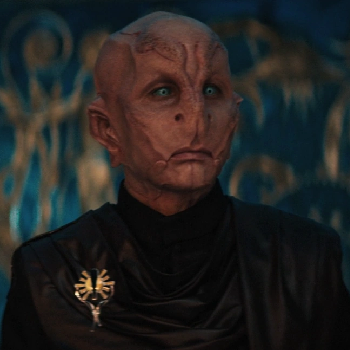 Hailing from the world of Kaminar, Kelpiens are a tall, physically impressive species and dedicated members of the United Federation of Planets. Their history is defined by a profound biological and social evolution, transitioning from a prey species managed by the technologically advanced Ba'ul to a sovereign and thriving civilization. Kelpiens are a bipedal, amphibious species with a distinctively lanky, towering build, characterized by brownish-orange skin and a natural lack of head hair, though older males are capable of growing facial hair. Because of their evolution on a world where they were once hunted, Kelpiens possess sensory receptors for sight, sound, and touch that are significantly more acute than those of the average humanoid. Despite their slender appearance, Kelpiens are remarkably strong—surpassing the physical power of most Federation species—and possess the ability to run at incredible speeds for short durations while functioning comfortably both on land and in aquatic environments.
For centuries, Kelpien society was structured around the "Great Balance," a religious and social framework imposed by the Ba'ul that convinced the Kelpiens they were meant to be culled as a sacrifice to maintain planetary harmony. The mechanism for this culling was linked to a biological milestone called Vahar'ai, which was initially feared as a terminal condition characterized by intense pain and heightened terror. In reality, Vahar'ai was a natural stage of maturation during which a Kelpien's threat ganglia—specialized organs behind the ears that sensed danger—would swell and eventually fall away.
Once the Vahar'ai is complete, a Kelpien undergoes a radical psychological and physical shift where the constant, debilitating fear response of their adolescence vanishes and is replaced by a newfound sense of confidence and assertiveness. New keratin-based spines develop in place of the threat ganglia, which the Kelpien can forcibly expel at high velocity as a formidable natural defense mechanism. Today, having liberated themselves from the Ba'ul's deception, the Kelpiens have reclaimed their true nature as a courageous and scientifically minded people who serve with distinction throughout Starfleet, often utilized as high-speed scouts or tactical officers due to their superior reflexes.
Klingon
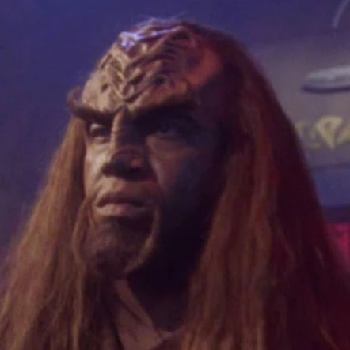 Hailing from the world of QonoS, the Klingons are a proud and formidable warrior race that serves as a cornerstone of the Alpha and Beta Quadrants' political landscape. Once the Federation’s most bitter adversaries, they have since become one of its most vital (if often volatile) strategic allies. Klingon society is governed by a strict code of honor, and their culture is defined by the pursuit of glory in battle, the importance of lineage, and a profound respect for the 24 Great Houses that comprise the Klingon High Council.
Physically, Klingons are easily recognized by their heavily ridged foreheads, which are unique to each individual and often signify their ancestral lineage. They are exceptionally hardy, possessing a physiological redundancy known as brak'lul, which provides them with multiple backups for vital organs such as the heart, lungs, and stomach. This biological resilience, combined with their dense skeletal structure and superior physical strength, makes them incredibly difficult to defeat in close-quarters combat. Their blood is a thick, lavender hue, and their long lifespans allow them to remain active warriors well into their second century.
The Klingon spirit is deeply intertwined with their spiritual beliefs regarding the afterlife and the legendary figure Kahless the Unforgettable. They believe that those who die honorably in battle travel to Sto-vo-kor, while those who live without honor are condemned to Gre'thor. This belief system fuels a society where every action—from the way they prepare their food, such as the infamous live gagh, to the way they conduct interstellar diplomacy—is viewed through the lens of personal and familial prestige.
While the Klingon Empire remains a sovereign entity separate from the Federation, the two powers share a deep bond forged through decades of mutual respect and shared conflict, but cracks have formed in their relationship recently. Klingon officers have served with distinction within Starfleet, bridging the gap between the Federation's pursuit of peace and the Klingon's thirst for battle. Their language, Klingon (Klingonese), is one of the most widely spoken non-Federation languages in the galaxy, and their technical expertise in cloaking technology and heavy weaponry remains unsurpassed.
Ktarian
 Hailing from the world of Ktaris, the Ktarians are a dedicated and tactically minded humanoid species within the United Federation of Planets. They are renowned throughout the galaxy for their unwavering commitment to their objectives, often displaying a single-minded determination that borders on the obsessive. This psychological profile makes them formidable strategists; a Ktarian rarely commits to a course of action unless they have calculated a distinct advantage and a high probability of success.
Physically, the Ktarian people exhibit a fascinating degree of diversity. While they share the standard bipedal humanoid frame, their facial features vary significantly. Most possess a distinctively domed forehead and striking yellow eyes characterized by horizontal slit pupils, which likely evolved for a specific range of visual perception on their homeworld. Many individuals also feature exo-cranial ridges, pronounced brow structures, or patches of scales along their skin, marking them as one of the more physically varied races in the Federation.
Ktarian biology is notably robust, particularly regarding reproduction and development. While they are physiologically compatible with other humanoid species, interspecies pregnancies involving a Ktarian parent are notoriously difficult. Due to the complexity of Ktarian fetal development, the gestation period can extend to an impressive 18 months, nearly double the human average. However, this long developmental phase in the womb results in offspring that mature at an accelerated rate once born. Both pure-blooded and hybrid Ktarian children typically enter adolescence within just 5 years, reaching physical and mental milestones much faster than most of their Federation peers.
Lanthanite
 The Lanthanites are a long-lived humanoid species that, until the 23rd century, remained one of the best-kept secrets in the Alpha Quadrant. Though they are physically indistinguishable from Humans, Lanthanites are defined by an extraordinary lifespan that allows them to live for many centuries. This longevity led them to live among Humans on Earth for over a thousand years in total anonymity, quietly observing and integrating into terrestrial society without revealing their extraterrestrial origins.
By the 25th Century, the Lanthanite veil of secrecy has largely been lifted. Following the high-profile service of officers like Commander Pelia, who served as Chief Engineer of the USS Enterprise under Christopher Pike and lived through centuries of Earth's history, the Federation has officially recognized the Lanthanite presence. In this era, Lanthanites are valued as the "living memory" of the Federation. Having witnessed the rise and fall of various political movements, technological eras, and even the transition of Earth from a pre-warp civilization to the heart of the Federation, they provide a unique longitudinal perspective on galactic sociology and engineering. In the current 25th-century landscape, Lanthanites often serve in high-level advisory roles, historical preservation, or advanced theoretical engineering. Their culture emphasizes patience and the "long view," often clashing with the more impulsive nature of shorter-lived species. While they do not have a massive interstellar empire, their influence within the Federation is profound, acting as a stabilizing force that reminds the younger races of the lessons learned in the distant past.
Physically, Lanthanites do not possess any obvious outward markers that differentiate them from Humans, even under standard visual inspection. Their internal physiology, however, is much more robust, allowing for cellular regeneration that prevents the typical markers of aging for hundreds of years. This biological resilience makes them excellent deep-space explorers, as they can withstand long-duration assignments that would span several generations for other species.
Liberated Borg (xB)
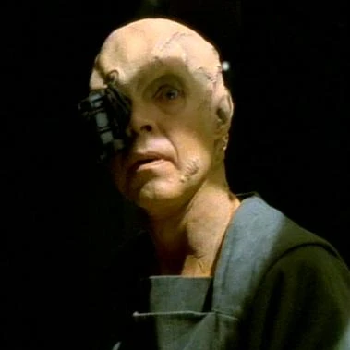 Liberated Borg, frequently referred to as xBs, are former drones who have been successfully severed from the Borg Collective's hive mind. Historically, these individuals faced significant social stigma and systemic exclusion from Federation institutions. However, following the landmark events of the 250th Frontier Day in 2401, Starfleet Command officially authorized their induction, recognizing the invaluable tactical and technical expertise they possess. Today, they serve across various sectors, though they still navigate the complex reality of being survivors of the galaxy's most feared collective.
Physically, an xB retains the primary characteristics of their original species, whether they were Human, Vulcan, Klingon, or any of the thousands of other races assimilated by the Borg. However, they are marked by the permanent remnants of their time as drones. Because many Borg implants are woven into the nervous system or fused with vital organs, total removal is often impossible. Consequently, most xBs retain specialized hardware such as ocular processors, cortical nodes, or subdermal armor plating. These lingering components often grant them a more efficient metabolism and a heightened capacity for processing data, though they no longer possess the "interlink" capability of an active drone.
The xB population does not possess a singular home world or a traditional unified society, as their origins span the entire galaxy. Instead, they are bound by the shared trauma of assimilation and the subsequent struggle to reclaim their individuality. For those who were only drones for a short duration, reintegration into their original cultures is sometimes possible. For those who spent decades within the Collective, however, the "old life" is often unrecognizable or lost entirely. This has led to the formation of specialized xB colonies—safe havens where survivors can support one another—and a significant increase in xBs seeking purpose within the structured, mission-driven environment of Starfleet.
Lurian
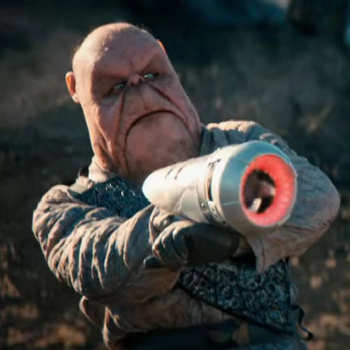 Hailing from the planet Luria located near the Ionite Nebula in the Alpha Quadrant, the Lurians are a resilient and philosophical species governed by the Lurian Royal Family. While they maintain a respectful relationship with the United Federation of Planets, they remain an independent power. To the casual observer, Lurians often appear emotionally impassive due to their broad, U-shaped mouths and heavy facial features, yet this exterior belies a deeply passionate and dreaming nature. They are a people who embrace risk and rarely approach any endeavor with half-measures, whether they are engaging in complex commerce or philosophical debate.
Physically, Lurians are among the most biologically durable humanoids in the galaxy. They possess gray skin and a highly redundant internal anatomy featuring multiple hearts, lungs, and stomachs. This specialized physiology grants them incredible control over their metabolic processes; a Lurian can intentionally slow their metabolism to survive harsh conditions or even use their secondary stomach as a secure storage compartment for physical objects. Their physical frame is exceptionally sturdy, with a head that appears to sit directly upon the broad span of their shoulders, and they are capable of withstanding traumatic injuries that would be fatal to most other species.
While younger Lurians are often seen with a full head of hair, they frequently become bald as they age, a process that can be accelerated by environmental factors or specific external stressors. Despite their intimidating physical presence and their reputation for being formidable in a variety of high-stakes professions, Lurians are often driven by an internal sense of wonder and a love for the thrill of the unknown. They are known to be "all-or-nothing" individuals, dedicating themselves entirely to their chosen path until their objectives are met or their curiosity is satisfied.
Orion
 The Orions are a vibrant, green-skinned humanoid species originating from the planet Rigel VII and the wider Rigel system. While they operated as a protectorate of the Klingon Empire following a mutual defense pact in 2394, they have traditionally functioned as an independent power under the shadow of the Orion Syndicate. This powerful and far-reaching criminal cabal influences commerce and politics across multiple sectors, ensuring that Orion interests are felt far beyond their home borders.
Physically, Orions are distinguished by their striking green skin, which can range in hue from pale mint to deep emerald. Both males and females are typically tall and possess a physical aesthetic that many other humanoid species find highly attractive. Orion males are famously muscular, a result of generations of physical labor and a naturally dense physiology, and they are almost universally hairless. Orion females share a skeletal structure nearly identical to Humans, though they possess unique biological traits that define the power dynamics of their entire civilization.
The defining characteristic of Orion biology is the production of exceptionally potent pheromones by the females of the species. Unlike the passive chemical signals of other races, Orion females can consciously control these pheromones to influence the behavior and physiology of those around them. These chemicals act as a powerful deliriant and aphrodisiac, capable of seducing and subverting the will of males from almost every known species, with very few biological exceptions. Conversely, females of other species are largely immune to the suggestive effects, though they often suffer from severe headaches when exposed to high concentrations. This biological advantage has created a unique social structure where Orion females are the true dominant force in relationships, government, and the Syndicate. For centuries, the Orions maintained a public deception that their women were merely "slave girls" to disarm their rivals; in reality, these women were often the ones pulling the strings of the men who appeared to own them. While modern Federation medicine has developed pheromonal blockers and counter-agents, these treatments are not 100% effective, as the Orion body can often adapt its chemical output to bypass standard medical defenses.
Romulan
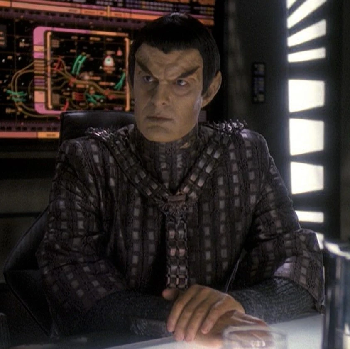 The Romulans are a formidable humanoid species and the former masters of the Romulan Star Empire. Originally an offshoot of the Vulcans, they rejected the path of total logic and left Vulcan centuries ago to forge a civilization built on passion, expansion, and absolute secrecy. Their history took a tragic turn in 2387 when the Hobus Supernova destroyed their throneworld, Romulus, and its sister world, Remus. This "Hobus Event" shattered the Empire, scattering the survivors into various splinter factions, including the Romulan Free State and the Romulan Republic, but many who chose to seek asylum within the United Federation of Planets.
Due to their common lineage, Romulans share the primary physical traits of Vulcans, including pointed ears, upswept eyebrows, and copper-based green blood. They also possess the same impressive physical strength, roughly three times that of a Human. A key distinguishing feature for the majority of Romulans is a pair of pronounced V-shaped brow ridges above the bridge of the nose. However, approximately 10% of the population lacks these ridges, making them outwardly indistinguishable from their Vulcan cousins.
Culturally, Romulans have long been defined by a deep-seated xenophobia and a mastery of subterfuge. In Romulan society, information is the most valuable currency, and the state-run intelligence agency, the Tal Shiar, once ensured that even private thoughts were monitored. This love for deception extends to their military doctrine; rather than relying on the brute force favored by Klingons, Romulans prioritize cunning, ambush tactics, and the sophisticated use of cloaking technology to maintain a tactical advantage. Since the loss of their homeworld, the Romulan people have found themselves at a cultural crossroads. While many younger Romulans advocate for a more transparent and democratic society, traditionalists remain committed to the old ways of isolationism and imperial authority. This internal struggle continues to define the Romulan diaspora as they attempt to rebuild their civilization from the ashes of Romulus.
Saurian
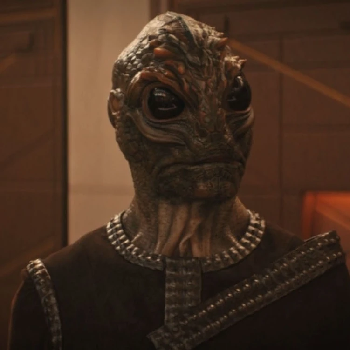 The Saurians are an ancient and physically imposing reptilian species native to the planet Sauria. Recognized for their profound intellect and disciplined temperament, they have been influential members of the United Federation of Planets since the early 23rd century. Saurian society places a high value on prudence and careful consideration, a cultural trait that is reflected in their methodical approach to science and diplomacy.
Physically, Saurians are among the most distinctive humanoids in the Federation. They possess a thick, reptilian hide with coloration typically found in the red spectrum, including deep purples, pinks, and earthy browns. Their most striking feature is their large, luminous eyes, which provide them with visual acuity far superior to most other species. Evolution on a world with varied environmental pressures has granted them immense physical strength and enhanced senses, making them highly capable in both laboratory environments and field explorations.
Communication can be a unique challenge for those interacting with Saurians for the first time. Their native language consists of a complex series of chirps, clicks, and tonal trills that require highly sophisticated sub-routines within a Universal Translator to interpret accurately. This complexity is often a reflection of their nuanced way of thinking, where a single trill can convey a wealth of contextual information that a standard bipedal language might take several sentences to express.
Saurian biology is defined by an incredibly robust metabolism. They possess a specialized internal system that allows them to process toxins and alcohol at an accelerated rate, far beyond the capacity of Humans or even Klingons. This physiological trait led to the creation of the world-famous Saurian Brandy. Because the beverage is tailored to the Saurian metabolism, it is dangerously potent for most other species; as a result, the distribution of high-concentration Saurian Brandy is strictly regulated or even illegal on many Federation worlds to prevent accidental toxicity in non-Saurians.
Terran
 The Terrans are the human inhabitants of a parallel dimension commonly known as the Mirror Universe. While they share a genetic blueprint with Prime Universe Humans, Terrans are defined by a radically different evolutionary and cultural trajectory. For centuries, they stood at the center of the Terran Empire, a xenophobic and expansionist regime that prioritized conquest over cooperation. Over the years, several high-profile Terrans have crossed the barrier into the Prime Universe, often seeking refuge from the collapse of their Empire or pursuing political asylum within the United Federation of Planets with the ISS Enterprise herself crossing over having been the highest profile transference.
Physically, Terrans are virtually identical to Prime Humans, but they possess a notable biological sensitivity to light. Having evolved in a universe with "dimmer" environmental conditions, their eyes are highly susceptible to the standard lighting levels found on Federation starships and planets. When entering the Prime Universe, Terrans often require medical adjustments or specialized eyewear to prevent chronic pain and vision damage. Beyond this, many Terrans display a heightened aggressive instinct and a ruthless psychological resilience, traits cultivated by a society where betrayal was a standard tool for advancement.
The presence of Terrans in the Prime Universe has historically been a source of significant ethical and security concerns for Starfleet. Notable individuals, such as the displaced Emperor Philippa Georgiou, demonstrated that while Terrans can adapt to the values of the Federation, their underlying pragmatism often leads them to take extreme actions that Prime Humans would find abhorrent. In the 24th and 25th centuries, "Mirror" refugees often face intense scrutiny from Starfleet Intelligence, as the Federation must balance its humanitarian ideals with the risk of importing the Empire’s inherent instability.
By the current era, the crossing of Terrans into our universe is treated as a rare but hazardous occurrence. Those who successfully integrate often struggle with the "softness" of Prime society, while simultaneously marveling at the peace and stability that the Terran Empire was never able to achieve. They remain a living reminder of what Humanity might have become had it chosen the path of fear and domination over exploration and peace.
Trill (Joined)
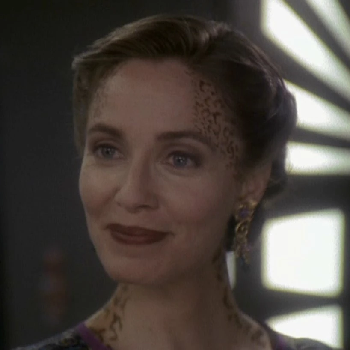 When a Trill host and a symbiont are successfully merged, they become a Joined Trill, a unique composite entity that represents one of the most complex biological and psychological unions in the Federation. While the host provides the physical form and a fresh personality, the symbiont acts as a living vessel for the memories, skills, and emotions of every individual who has previously held it.
The path to becoming joined is defined by extreme rigor. The Trill Symbiosis Commission oversees an intense screening process designed to select only the most stable and gifted candidates. Once a host is chosen and the symbiont is surgically implanted into a specialized abdominal pouch, the two lives become a single, integrated consciousness. This union is permanent; within hours of the procedure, the host becomes biologically dependent on the symbiont. Removal of the symbiont is fatal to the host, and if the symbiont is not transferred to a new host or returned to its native pools on Trill shortly after a host's death, it too will perish.
The primary advantage of being joined is the ability to access centuries of experience. A Joined Trill can recall the scientific expertise of one past host, the musical talent of another, and the diplomatic nuances of a third as if those lives were their own. This accumulation of knowledge is what makes Joined Trill some of the most formidable scientists and diplomats in the galaxy. However, this also requires the current host to maintain a strong sense of self to avoid being overwhelmed by the powerful personalities of their predecessors.
Joined Trill society is governed by strict ethical codes, the most significant being the prohibition against reassociation. To ensure that each new life is a fresh experience for the symbiont, joined individuals are forbidden from rekindling romantic or intimate relationships with the spouses or lovers of their past hosts. Breaking this taboo is a grave offense, often resulting in exile from Trill society and the denial of the symbiont to future generations of that family line.
For a comprehensive list of Alpha and Beta Quadrant species, please visit Memory Alpha.
Categories: No categories found